Apollo vs Atlas
Apollo is a humanoid robot by Apptronik (United States); Atlas comes from Boston Dynamics (United States). Atlas is taller at 190 cm, against 173 cm for Apollo. Atlas is heavier: 90 kg versus 72 kg for Apollo. Apollo has more degrees of freedom (71 against 56). Both are in pilot deployments. Listed prices: $50,000 for Apollo and $120,000 for Atlas.
Add up to two more robots or show only the rows that differ.
| Spec | 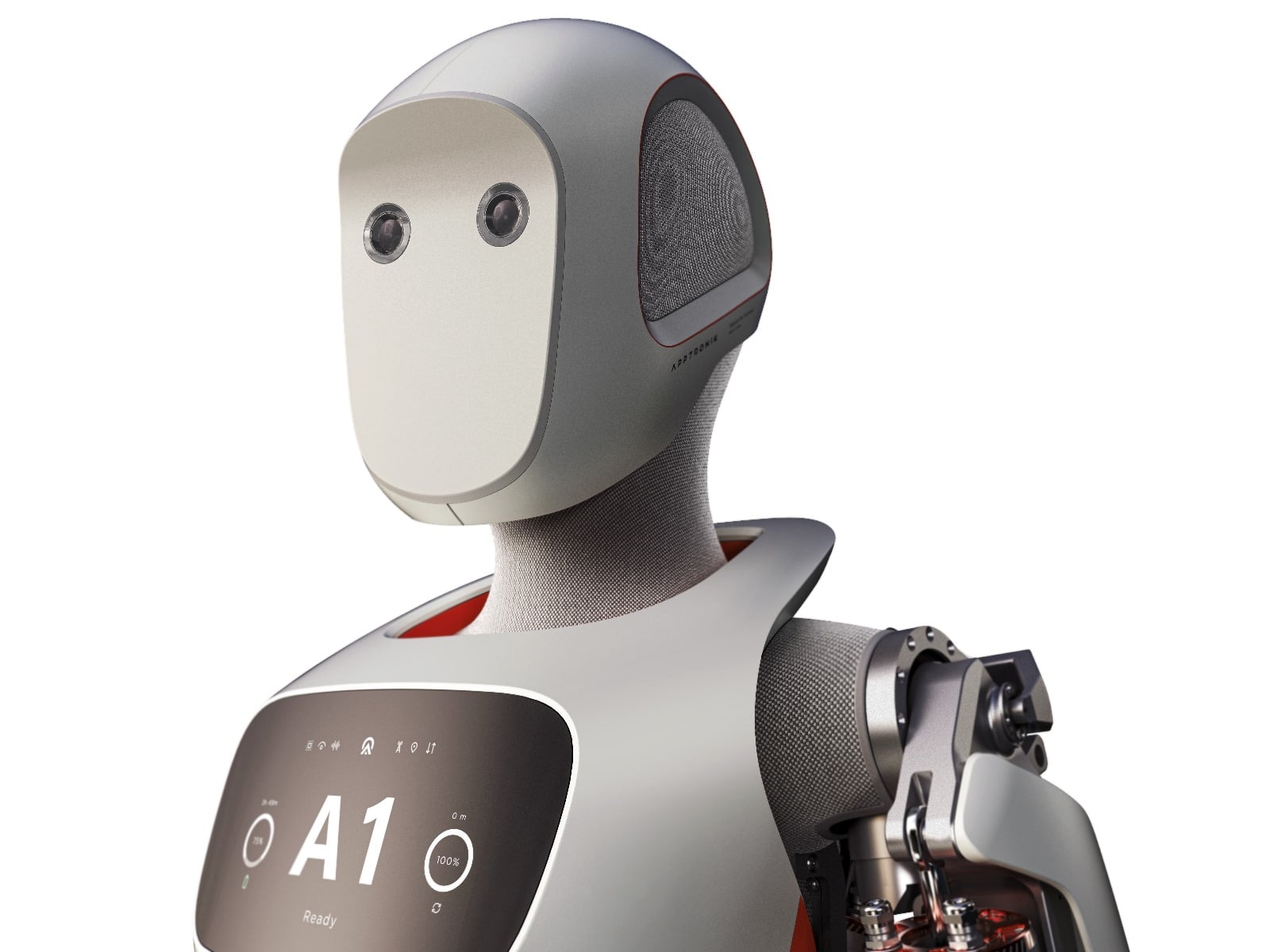  🇺🇸 United StatesPilot | 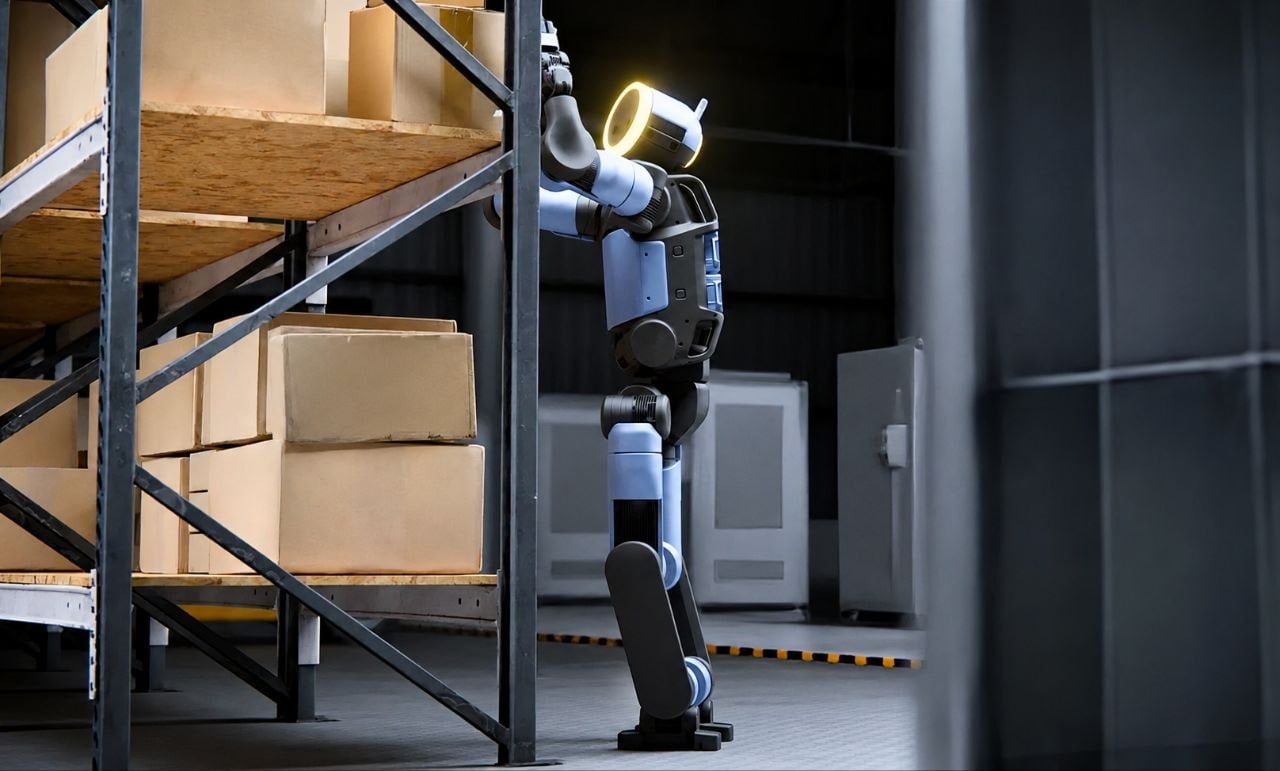  🇺🇸 United StatesPilot |
|---|---|---|
| Overview | ||
| Year | ||
| Year | 2023 | 2013 |
| Body | ||
| Height | ||
| Height | 173 cm | 190 cm |
| Weight | ||
| Weight | 72 kg | 90 kg |
| Degrees of freedom | ||
| Degrees of freedom | 71 | 56 |
| DoF (hands) | ||
| DoF (hands) | - | 13 |
| Fingers | ||
| Fingers | - | 3 |
| Structural material | ||
| Structural material | - | Titanium, aluminum components |
| Color | ||
| Color | - | White, Blue |
| Motion | ||
| Max speed | ||
| Max speed | 3.4 km/h | 8 km/h |
| Walking speed | ||
| Walking speed | 3.4 km/h | 9 km/h |
| Strength | ||
| Strength | 24.9 kg | 50 kg |
| Runtime | ||
| Runtime | 4 h | 4 h |
| Motor tech | ||
| Motor tech | - | Fully electric actuators |
| Gear tech | ||
| Gear tech | - | Unspecified (likely harmonic or precision gear systems in joints) |
| Sensing & Compute | ||
| CPU / GPU | ||
| CPU / GPU | - | Not publicly specified (custom robot compute likely). Assumed advanced embedded robotics processors. |
| Operating system | ||
| Operating system | - | Custom robotics OS with integration support |
| LLM integration | ||
| LLM integration | - | Not officially confirmed; partnerships with DeepMind suggest future AI integration |
| Camera | ||
| Camera | - | Not officially detailed; 360° vision system |
| Connectivity | ||
| Connectivity | - | enterprise integration (Orbit software), Wi‑Fi |
| Tactile / force sensors | ||
| Tactile / force sensors | - | tactile feedback |
| Latency (glass → action) | ||
| Latency (glass → action) | - | Not publicly available; robotics systems optimized for real-time motion |
| Safety & Market | ||
| Safe with humans | ||
| Safe with humans | Designed for friendly interaction and safety; uses perimeter zone and impact zone behavior to create a safe working environment. | Yes |
| Ingress protection | ||
| Ingress protection | - | IP67 |
| Primary market | ||
| Primary market | Warehouses and manufacturing plants | Industrial automation, logistics, Manufacturing |
| Country | ||
| Country | United States | United States |
| Availability | ||
| Availability | Pilot | Pilot |
| Price | ||
| Price | $ 50 000 | $ 120 000 |
| Verified facts | ||
| Deployments | ||
| Deployments | - | 1 |
| All reviewed facts | ||
| All reviewed facts | - | 16 |
Counts of reviewed facts with sources. Open a robot page to see each fact and its links.
More comparisons
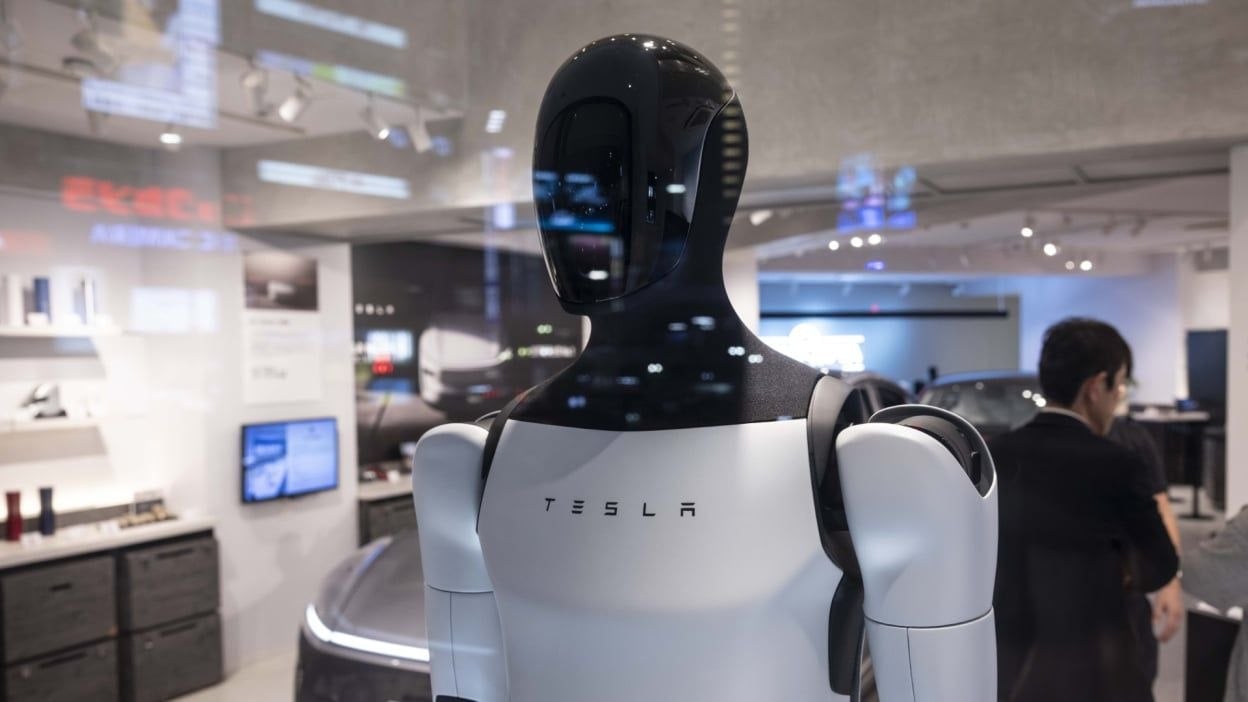 Apollo vs OptimusApptronik · Tesla
 Apollo vs Walker S1Apptronik · UBTECH Robotics
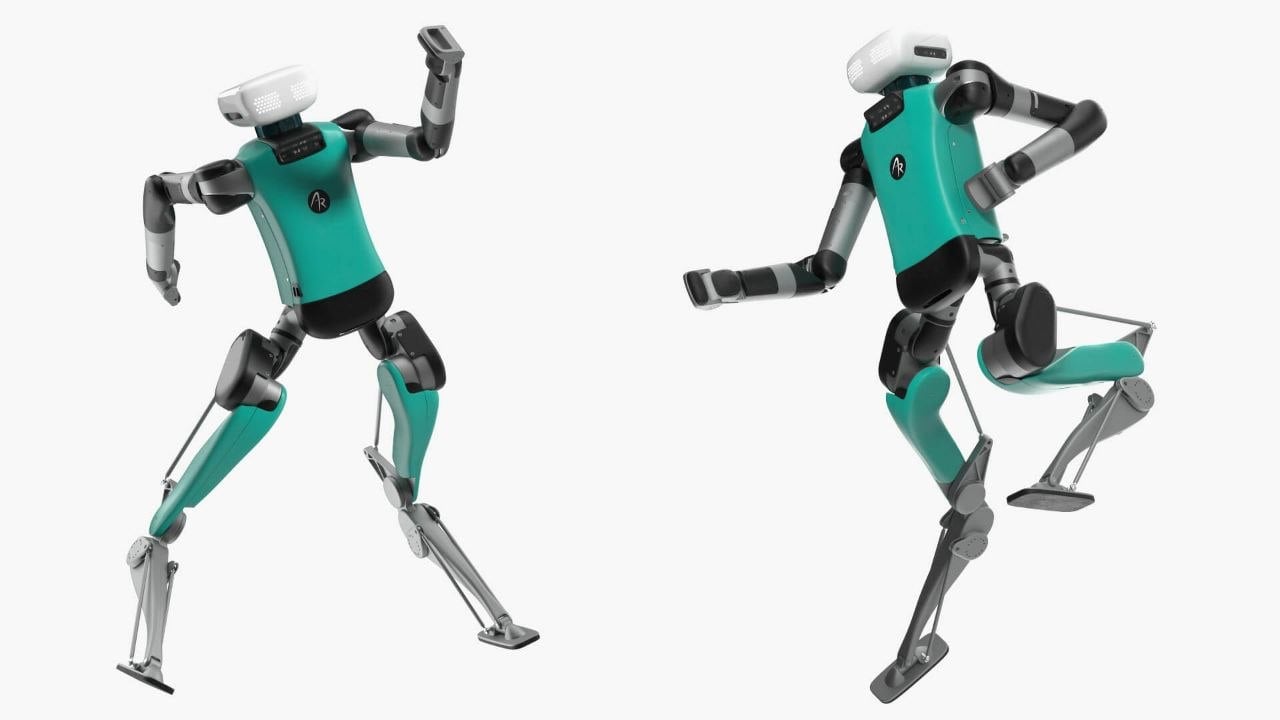 Apollo vs DigitApptronik · Agility Robotics
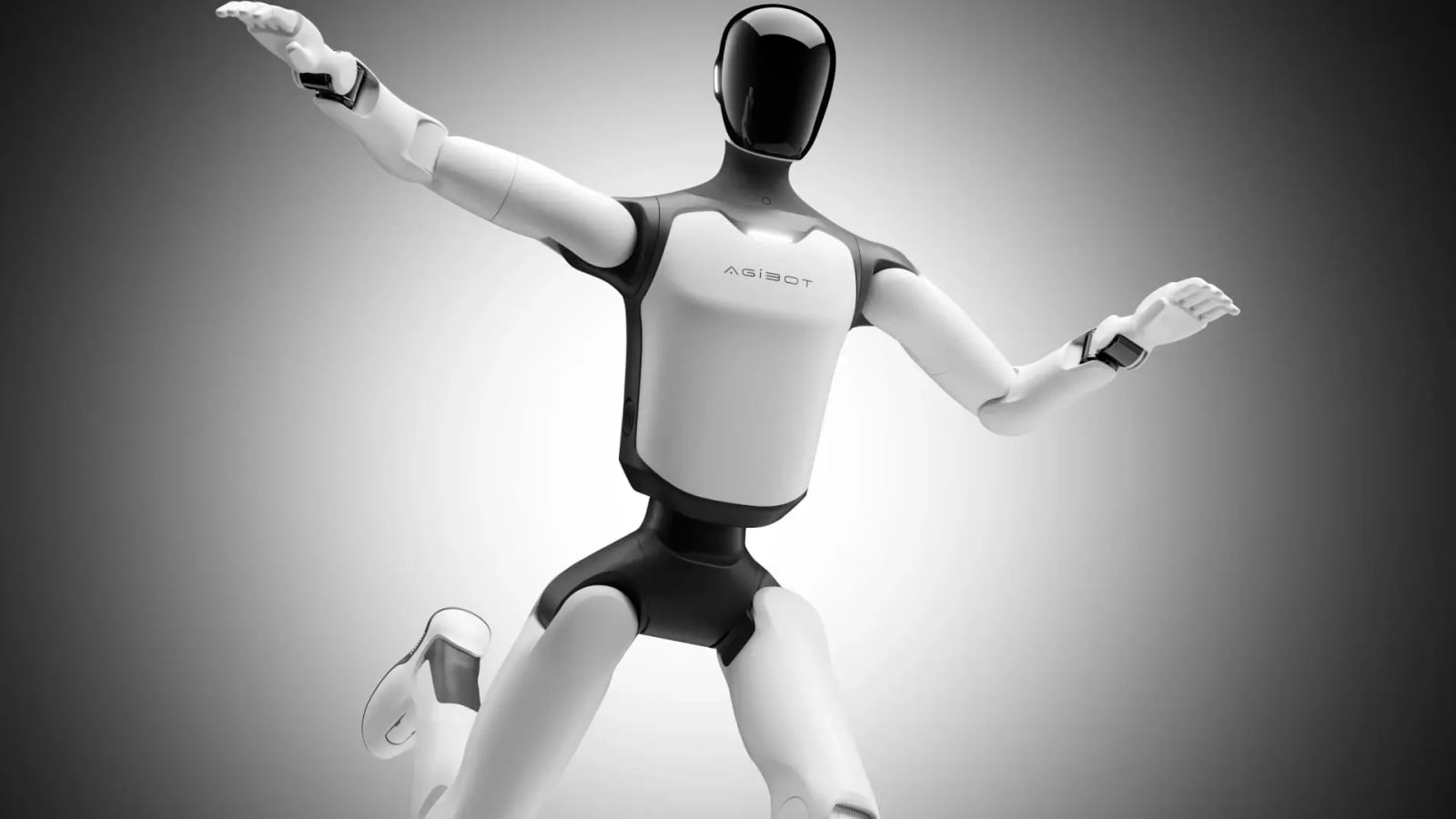 Apollo vs Expedition A3Apptronik · AGIBOT
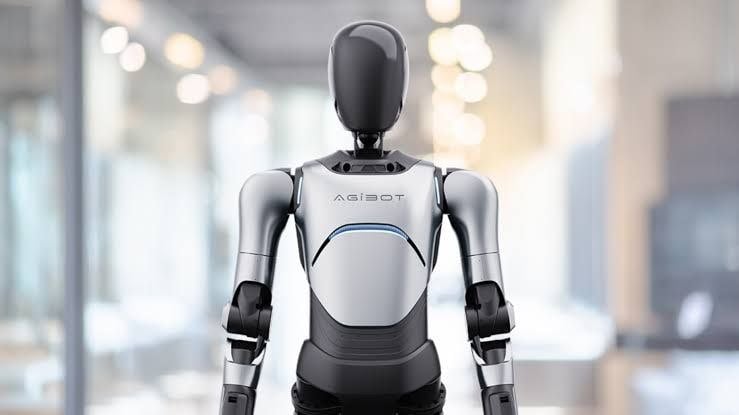 A2 vs ApolloAGIBOT · Apptronik
- Atlas vs OptimusBoston Dynamics · Tesla
- Atlas vs DigitBoston Dynamics · Agility Robotics
- Atlas vs Walker S1Boston Dynamics · UBTECH Robotics