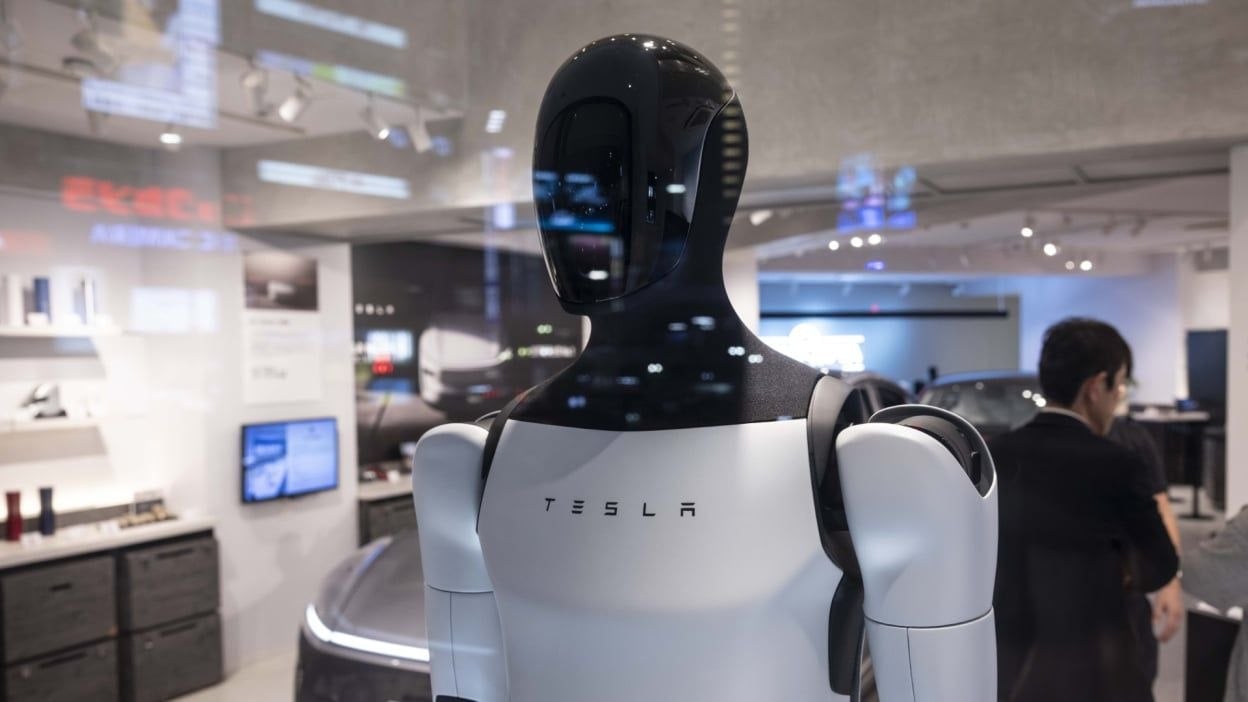
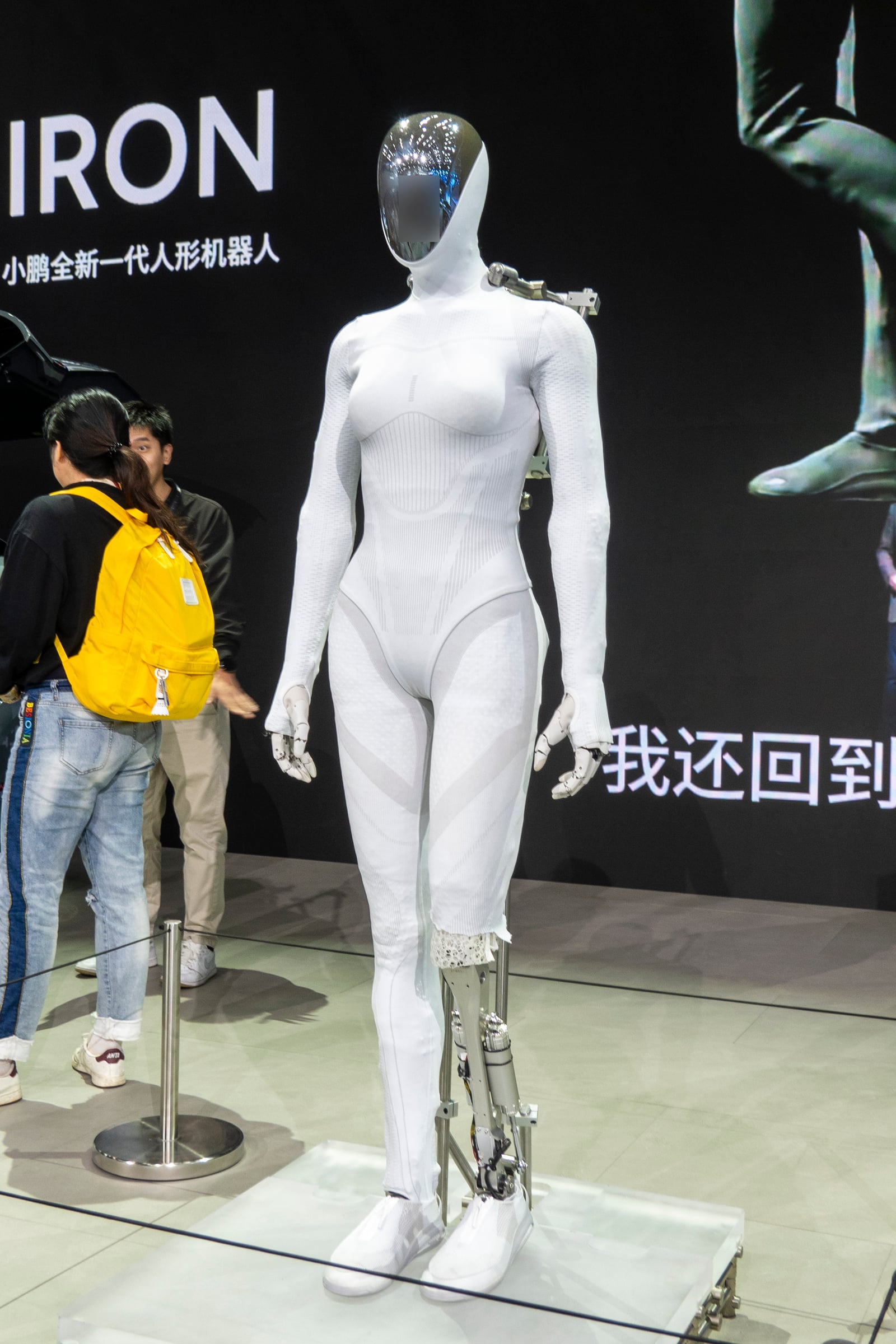
A2 vs Figure
A2 is a humanoid robot by AGIBOT (China); Figure comes from Figure AI (United States). A2 is taller at 169 cm, against 168 cm for Figure. A2 is heavier: 69 kg versus 60 kg for Figure. A2 has more degrees of freedom (40 against 30). A2 is in pilot deployments, while Figure is a prototype. Listed prices: $100,000 for A2 and $130,000 for Figure.
Add up to two more robots or show only the rows that differ.
| Spec | 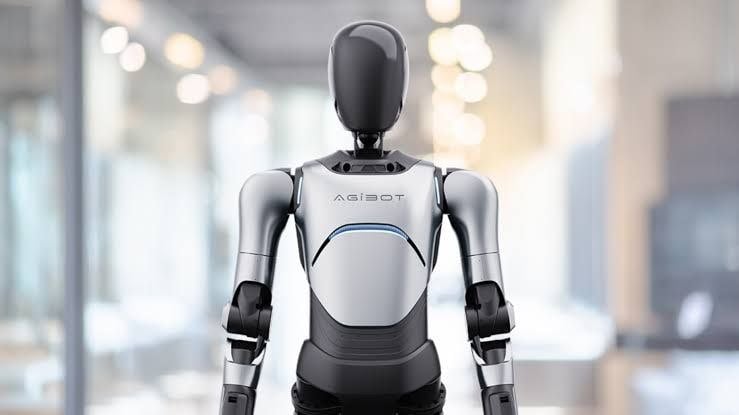  🇨🇳 ChinaPilot |   🇺🇸 United StatesPrototype |
|---|---|---|
| Overview | ||
| Year | ||
| Year | 2025 | 2025 |
| Body | ||
| Height | ||
| Height | 169 cm | 168 cm |
| Weight | ||
| Weight | 69 kg | 60 kg |
| Degrees of freedom | ||
| Degrees of freedom | 40 | 30 |
| DoF (hands) | ||
| DoF (hands) | 7 | 20 |
| Fingers | ||
| Fingers | - | 10 |
| Structural material | ||
| Structural material | - | Battery enclosure uses stamped steel, die-cast aluminum, and structural adhesives |
| Size | ||
| Size | 169cm (H) × 75cm (W) × 30cm (L) | - |
| Motion | ||
| Max speed | ||
| Max speed | 4 km/h | 4.3 km/h |
| Walking speed | ||
| Walking speed | 3.5 km/h | 4.3 km/h |
| Strength | ||
| Strength | 10 kg | 20 kg |
| Runtime | ||
| Runtime | 3 h | 5 h |
| Motor tech | ||
| Motor tech | - | Frameless BLDC-motors |
| Gear tech | ||
| Gear tech | - | Strain-wave (harmonic) and/or cycloidal |
| Sensing & Compute | ||
| CPU / GPU | ||
| CPU / GPU | 16-core high-performance CPU; NVIDIA Jetson Orin 64G | Helix runs entirely on-board on dual low-power embedded GPUs |
| Operating system | ||
| Operating system | - | Ubuntu Linux (LTS) + RT-komponenter |
| LLM integration | ||
| LLM integration | - | Helix uses an open-source, open-weight VLM for high-level reasoning |
| Camera | ||
| Camera | RGB-D camera; RGB camera; Fisheye camera; 3D LiDAR equipped | 03 introduces a new vision system with 2× frame rate, ¼ latency, and +60% FoV per camera, plus palm cameras in each hand. |
| Connectivity | ||
| Connectivity | Wi-Fi, 4G/5G | 10 Gbps mmWave data offload; wireless inductive charging and data offload |
| Tactile / force sensors | ||
| Tactile / force sensors | 2 six-dimensional force sensors | - |
| Latency (glass → action) | ||
| Latency (glass → action) | millisecond-level real-time object recognition, pose estimation, and operational decision-making | No numeric “glass-to-action” latency published. Site notes ¼ camera latency vs. prior architecture and 200 Hz low-level control |
| Safety & Market | ||
| Safe with humans | ||
| Safe with humans | Designed with safety features for personnel and environment; millisecond-level detection and intelligent obstacle avoidance. | - |
| Primary market | ||
| Primary market | Entertainment and commercial performance | Home service, Industries |
| Country | ||
| Country | China | United States |
| Availability | ||
| Availability | Pilot | Prototype |
| Price | ||
| Price | $ 100 000 | $ 130 000 |
| Verified facts | ||
| Deployments | ||
| Deployments | - | 1 |
| Production records | ||
| Production records | - | 1 |
| All reviewed facts | ||
| All reviewed facts | - | 11 |
Counts of reviewed facts with sources. Open a robot page to see each fact and its links.