Inventor, designer, engineer, and roboticist Simone Giertz talks with Lex Fridman on the Lex Fridman Podcast about creative engineering, product design, robotics, illness, and building a career around enthusiasm.
Giertz describes how making things became less frustrating as her skills grew, while the compromises of early projects kept the work challenging. Her first electronics project was an iPhone case with retractable guitar strings, capacitive touch sensing, an Arduino board, Bluetooth, and a custom app. A school deadline and the excitement of realizing it might work helped her keep going.
Giertz says the “Queen of Shitty Robots” label helped her start projects without perfectionism, though self-deprecation also became a way to protect herself from criticism. She describes building robots that fail in entertaining ways, including a toothbrush helmet and a machine that pats users and says it is proud of them. She argues that people connect with dynamic objects, and that robot safety should consider emotional effects as well as physical harm.
Giertz designed the Every Day Calendar to track habits, first using 365 mechanical switches before switching to capacitive touch for manufacturing. She explains that producing one prototype differs greatly from manufacturing thousands, where tooling, quality control, cost, and delivery timelines become major challenges. Her Yetch business uses YouTube for product research and audience feedback while aiming to build a brand that can stand apart from her public identity.
Giertz recounts discovering a golf-ball-sized brain tumor, undergoing surgery and radiation, and learning to be more gentle with herself during recovery. She reflects that career choices depend both on the work a person wants to do and the context in which they want to do it. Her advice is to follow enthusiasm, find settings that fit personal strengths, define success independently, and build meaningful work with other people.
Briefs summarise talks and interviews; timestamps open the video at that moment. Claims in a talk are the speaker's own.
Jensen Huang, NVIDIA’s CEO and founder, joins Lex Fridman in Taiwan during Computex to discuss the island’s engineering ecosystem, NVIDIA’s partnerships and AI infrastructure, and the value of cooperation amid competition.
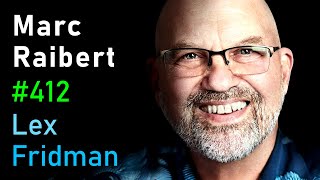
Marc Raibert, founder of Boston Dynamics and executive director of the Boston Dynamics AI Institute, talks with Lex Fridman on the Lex Fridman Podcast about legged robotics, robot intelligence, and the work ahead.
Neil Gershenfeld, director of MIT’s Center for Bits and Atoms, talks with Lex Fridman on the Lex Fridman Podcast about digital fabrication, self-replicating robots, and how making can connect computation with physical materials.
Boston Dynamics CEO Robert Playter talks with Lex Fridman about legged and humanoid robotics, the company’s path from research to commercial products, and how robots may work alongside people.